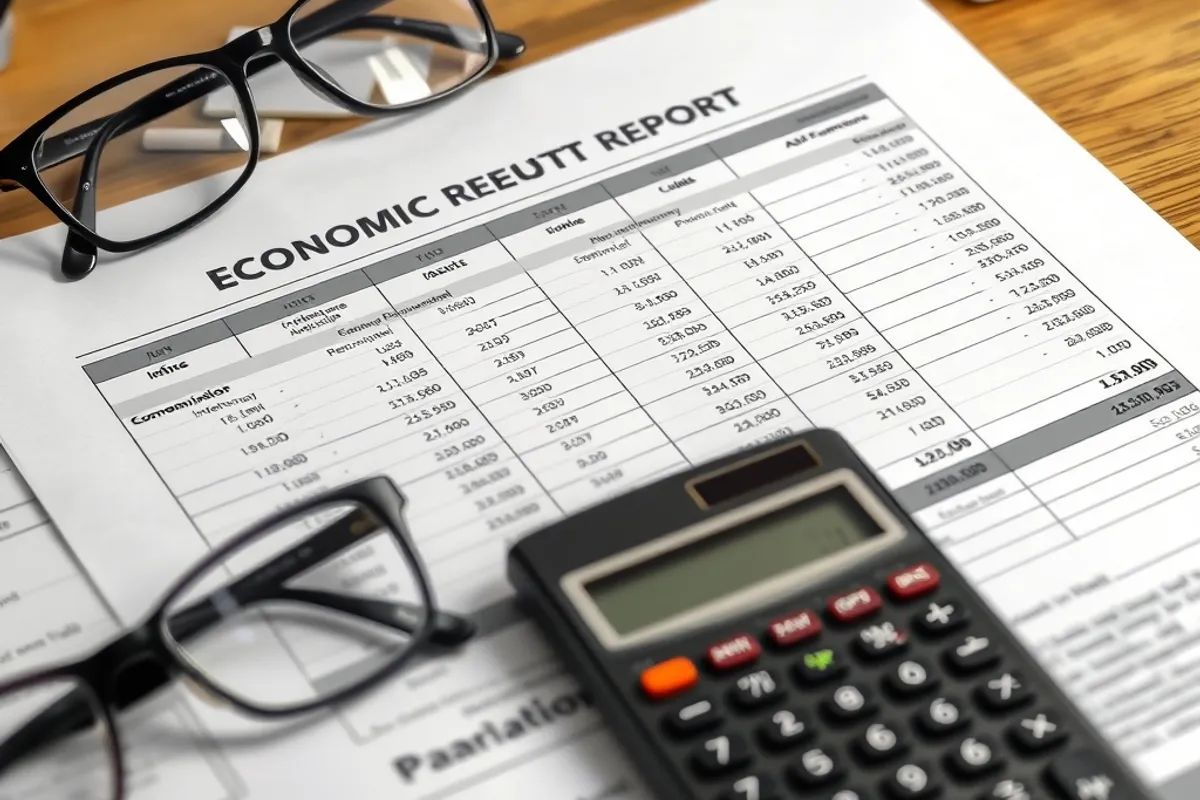
Inflation is one of the most quoted and least understood numbers in the news. It is presented as a single figure, yet it is built from thousands of prices, weighted according to what households actually buy.
That construction explains a lot: why your personal experience can differ from the headline, why central banks look at underlying measures, and why a small change in the index can move mortgages and savings rates.
Key facts
- Inflation measures the change in a basket of goods and services over time.
- Weights reflect average spending patterns, not any individual household.
- Core inflation excludes volatile items such as food and energy.
- Wage growth matters because it affects purchasing power, not just prices.
Contents
- What inflation measures
- The basket and the weights
- Core versus headline
- Wages and purchasing power
- Why your inflation feels different
- What central banks watch
- Reading the next release
What inflation measures
Inflation is the rate at which the general price level rises. Statistical agencies track a representative basket of goods and services, price it regularly, and compare the total with the same basket a month or a year earlier.
The basket is updated periodically to reflect changing habits. New products enter, old ones leave, and weights shift. That updating is necessary, but it also means the index is a model of spending rather than a direct measurement of everyone’s life.

The basket and the weights
Housing, food, transport and energy usually carry the largest weights. A sharp rise in rent or fuel therefore moves the index more than a rise in the price of, say, coffee.
Weights differ between countries and over time. A household that spends a large share of income on food and energy is more exposed to those categories than the average. This is why inflation can feel higher for lower-income households even when the headline is stable.
Core versus headline
Headline inflation includes everything. Core inflation strips out volatile components such as food and energy, on the argument that short-term swings in those prices say little about underlying pressure.
Neither is more “true”. Headline reflects what people pay now. Core helps identify trends. Policymakers watch both, along with services inflation and wage growth, because those are slower to change and harder to reverse.

Wages and purchasing power
Inflation matters because it changes what a paycheck can buy. If prices rise faster than wages, real income falls even when the nominal figure looks healthy.
Average wage data has its own limitations. It can be skewed by changes in the mix of jobs, and it says nothing about distribution. A rising average can coexist with falling real pay for large groups of workers.
The inflation rate is an average. An average is a useful summary and a poor description of any single life.
Why your inflation feels different
Your spending pattern is not the average. If you commute by car, rent rather than own, or have young children, your personal basket differs from the index. The prices you notice most are the ones you pay most often.
Frequency matters too. Petrol and groceries are bought weekly, while furniture and holidays are bought rarely. Frequent purchases shape perceptions more strongly, even when their weight in the index is modest.
What central banks watch
Central banks aim for low and stable inflation, usually around 2 percent. They watch core measures, services prices, wage growth and inflation expectations, because expectations can become self-fulfilling.
Interest rates are the main tool. Higher rates cool demand, but they work with a delay and can hit some sectors harder than others. That trade-off is why policy decisions are rarely unanimous or painless.
Reading the next release
Look at the monthly change as well as the annual rate. A falling annual rate can still mean prices are rising, just more slowly. Check which categories drove the change and whether the movement is broad or concentrated.
Be cautious with seasonal adjustments and revisions. One month is a data point, not a trend. For context on how claims about the economy are verified, see our fact-checking guide.