Fact-checking is often imagined as a final read-through before publication. In practice it starts much earlier, when a claim first arrives and someone asks a simple question: how would we know if this were true?
That question shapes the reporting that follows. This guide explains the methods professional checkers use, the limits of those methods, and how readers can apply a few of them at home.
Key facts
- The strongest checks rely on primary documents, not other news reports.
- Reverse image search is a first step, not a complete verification.
- Corrections should state what was wrong and what changed, not just that something changed.
- Speed and accuracy trade off, but deadlines are not an excuse for publishing unchecked claims.
Contents
- The claim arrives before the story
- Source verification
- Reverse image and video checks
- Documents and data
- The correction process
- Speed versus accuracy
- How readers can check too
The claim arrives before the story
Claims enter a newsroom from press releases, social posts, officials, readers and other outlets. Each carries a different level of evidence and a different incentive to exaggerate.
Checkers log the claim, its source and what would count as proof. That may sound bureaucratic, but it prevents a common failure: reporting around a claim until it feels familiar, without ever establishing whether it is true.
Source verification
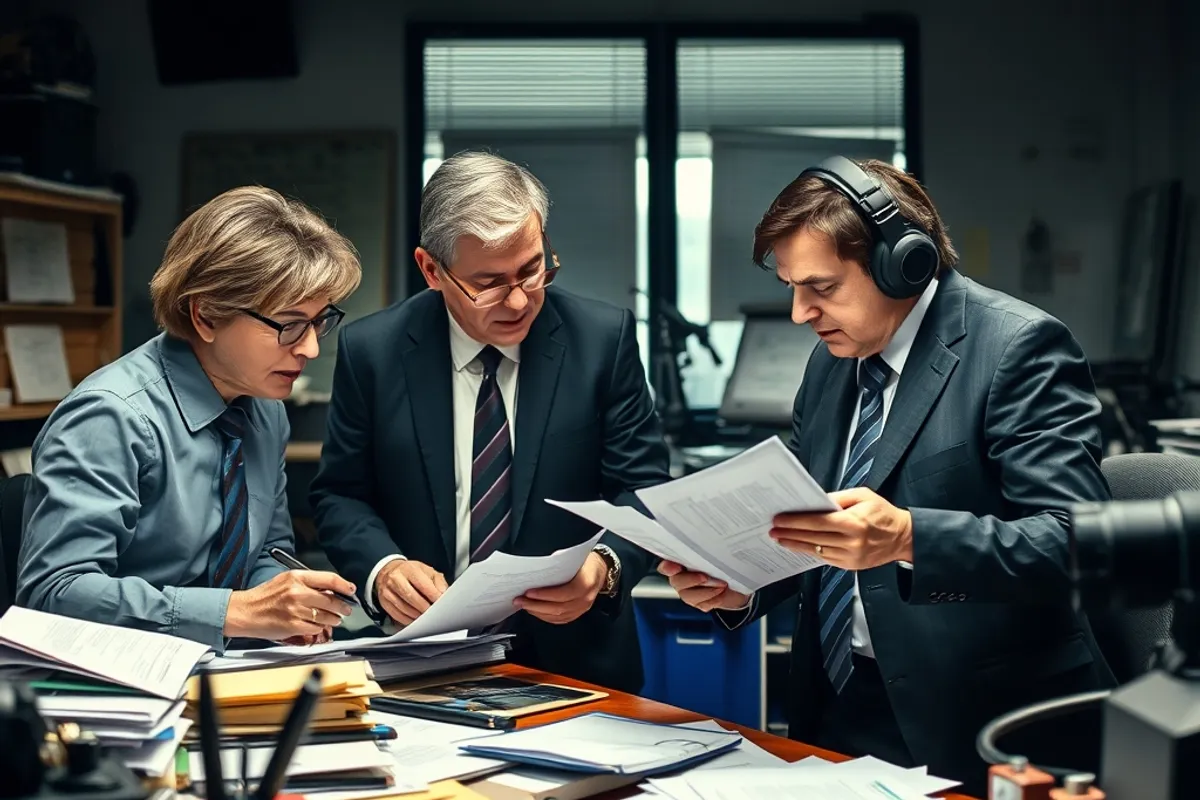
The first task is to confirm that a source exists, has the knowledge they claim, and is in a position to know what they are describing. A confident voice is not evidence.
Checkers look for corroboration from independent sources. Two people repeating the same rumour are not independent. A document, a contemporaneous record or a second witness with direct knowledge carries more weight.
Reverse image and video checks
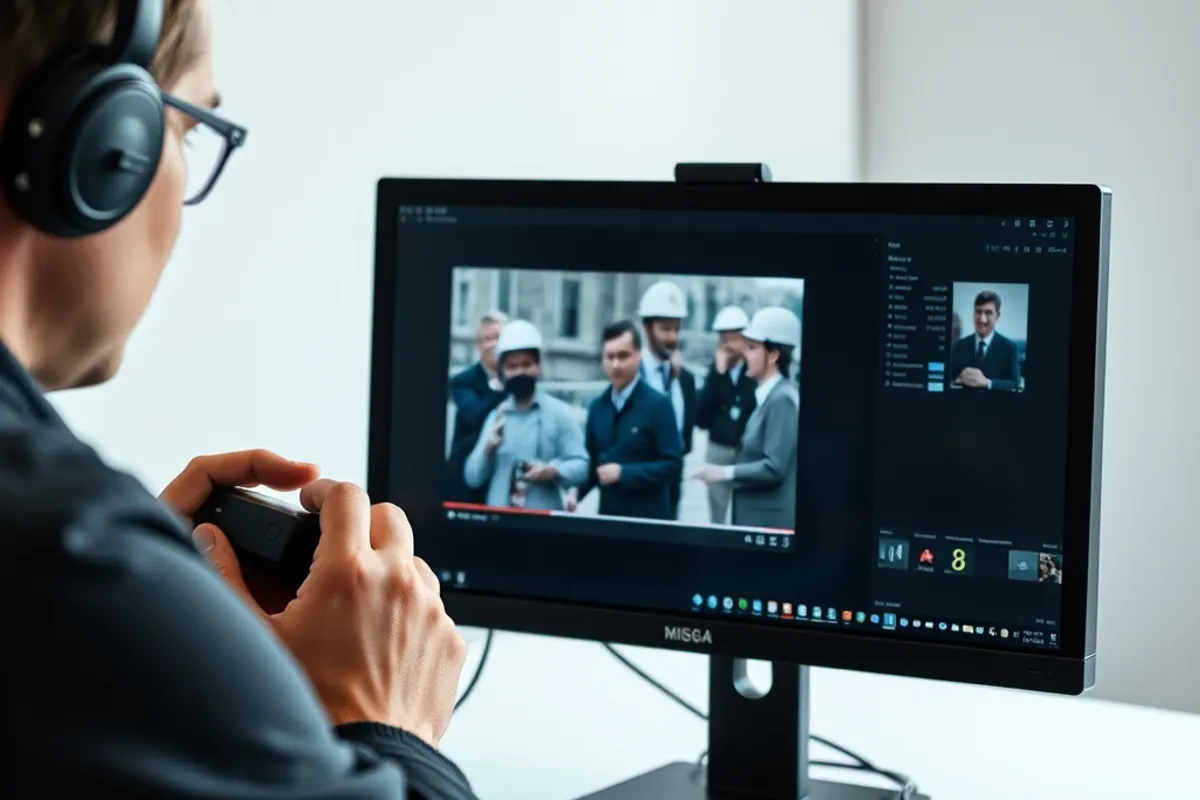
Images and videos are checked for origin, date and location. Reverse image search can find earlier versions, while metadata, shadows, weather and landmarks help establish when and where a clip was recorded.
Manipulation is not always sophisticated. Cropping, re-captioning and speeding up footage are common. Checkers compare frames, look for editing seams and search for the original longer recording. Our short video analysis explains why clips travel so easily without context.
Documents and data
Documents are checked for provenance, consistency and plausibility. A leaked memo may be genuine but outdated, or real but written by someone without authority.
Data needs the same scrutiny. Check the definition, the time period and the denominator. A rise from 2 to 4 cases is a 100 percent increase, but it may not be meaningful. Good checkers show the underlying numbers rather than only the percentage.
Verification is the discipline of trying to disprove your own story before someone else does.
The correction process
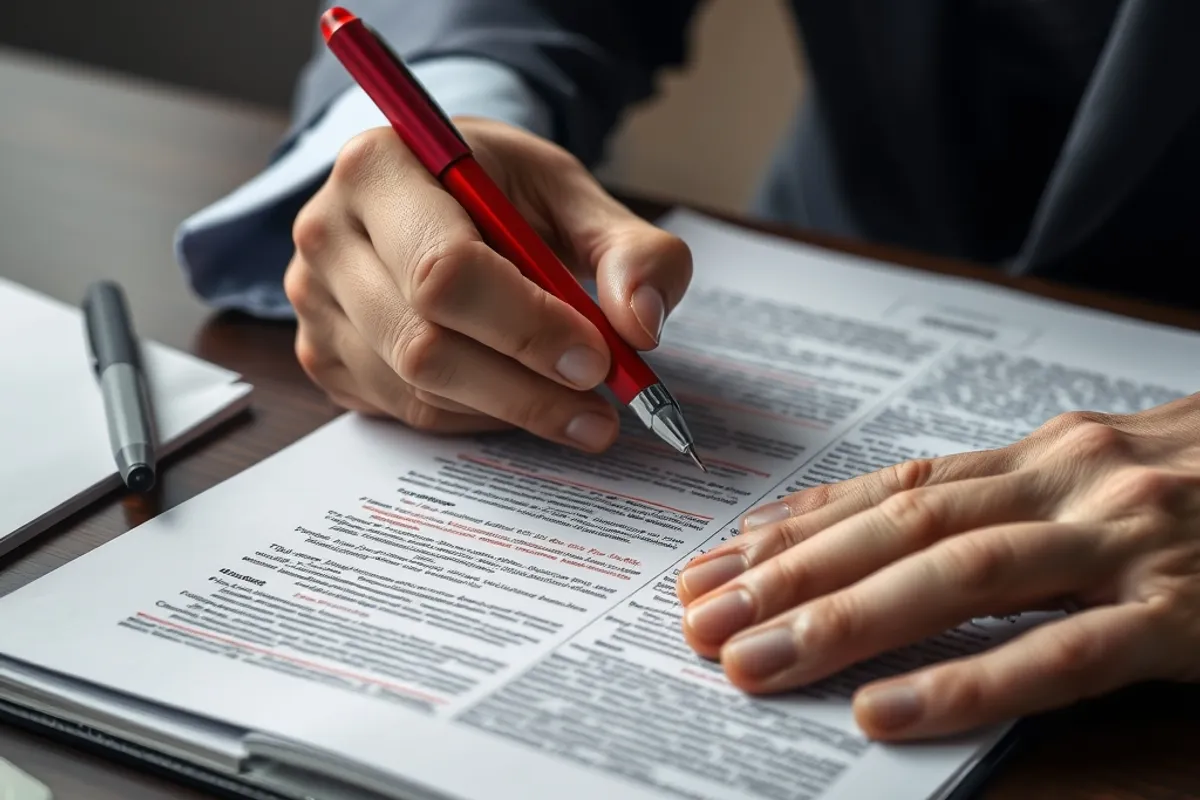
When an error is found, the priority is to correct it quickly and visibly. A good correction explains what was wrong, what the correct information is, and when the change was made.
Quietly editing a published story without a note damages trust more than the original error. Newsrooms that treat corrections as part of the record, rather than a reputational problem, tend to earn more credibility over time.
Speed versus accuracy
Breaking news creates pressure to publish before verification is complete. The responsible approach is to separate what is known from what is claimed, and to label the difference clearly.
That can mean publishing a short, verified update rather than a comprehensive but speculative story. Audiences tolerate uncertainty when it is explained. They lose trust when confident claims are later reversed without explanation.
How readers can check too
Start with the primary source. If a story cites a report, find the report. If it cites a person, check whether that person is quoted directly and in context.
Look for dates, locations and numbers that can be independently confirmed. Be wary of screenshots without links and videos without a source. For economic claims, our inflation explainer shows how easily a statistic can be read the wrong way.