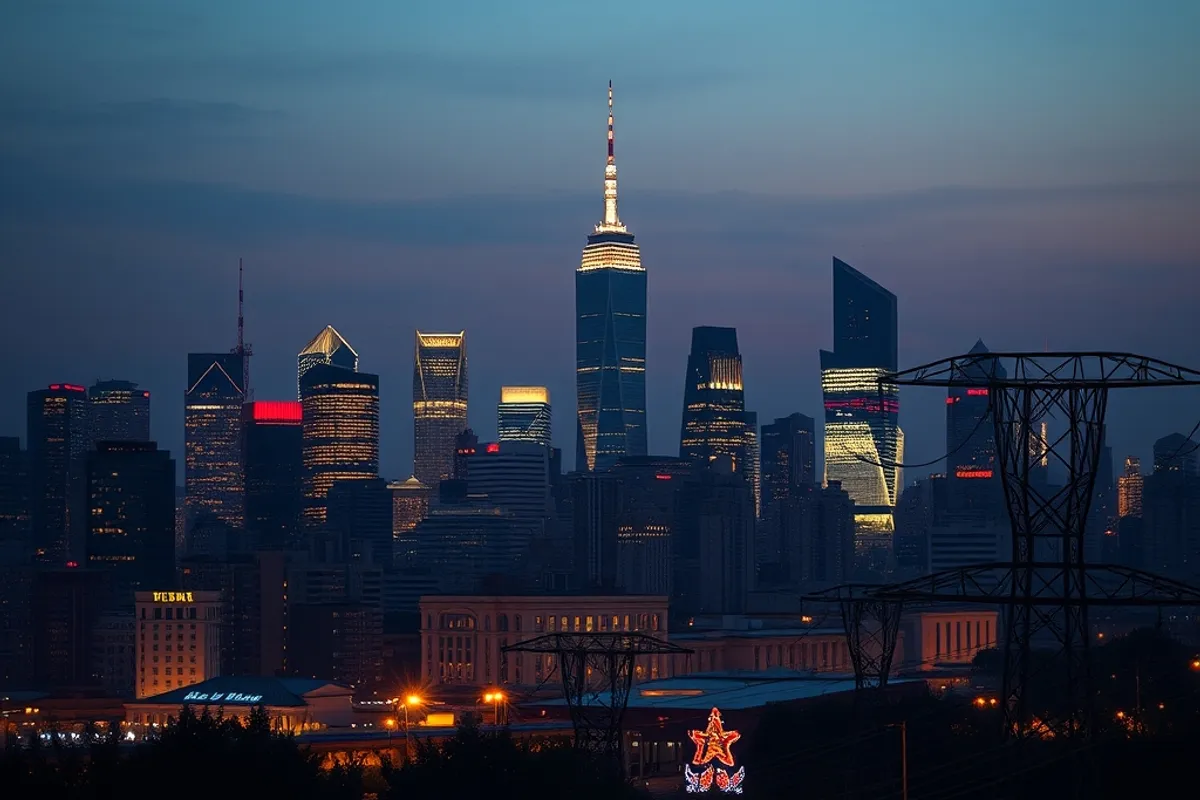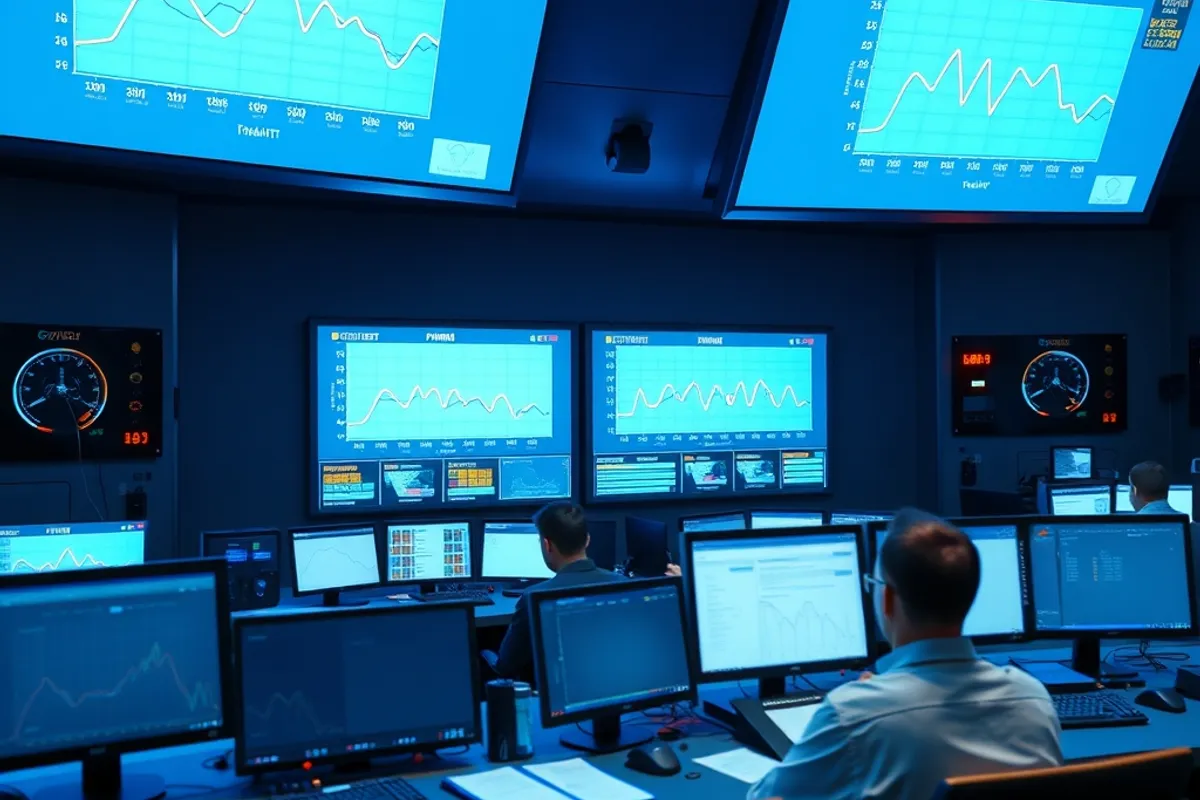
On the evening a grid hits a record, nothing dramatic happens at first. Lights stay on, screens keep working, and the first sign of trouble is usually a number on a control-room display moving faster than expected.
Grid operators train for that moment. Their job is to balance supply and demand second by second, using forecasts, reserves, storage and agreements with large users. This is how a record evening unfolds from the inside.
Key facts
- Evening peaks are driven by heating, cooling, cooking and lighting overlapping.
- Operators hold reserves that can be called on within minutes.
- Demand response pays large users to reduce consumption at short notice.
- Public conservation appeals can relieve pressure, but only if trust is high.
Contents
- How an evening peak develops
- The first signals operators watch
- Demand response, explained
- Why storage buys time
- The weak points behind the meter
- Communicating with the public
- Lessons for the next peak
How an evening peak develops
Demand follows a curve. It rises through the morning, flattens during the working day and then climbs again as people return home. The evening peak is sharp because heating or cooling, cooking, laundry and entertainment overlap.
Weather makes the curve steeper. A hot day that stays warm into the night keeps air conditioning running, while a cold snap pushes heating up at the same hour. When both supply and demand are stressed, the margin between safe operation and emergency measures narrows quickly.
The first signals operators watch
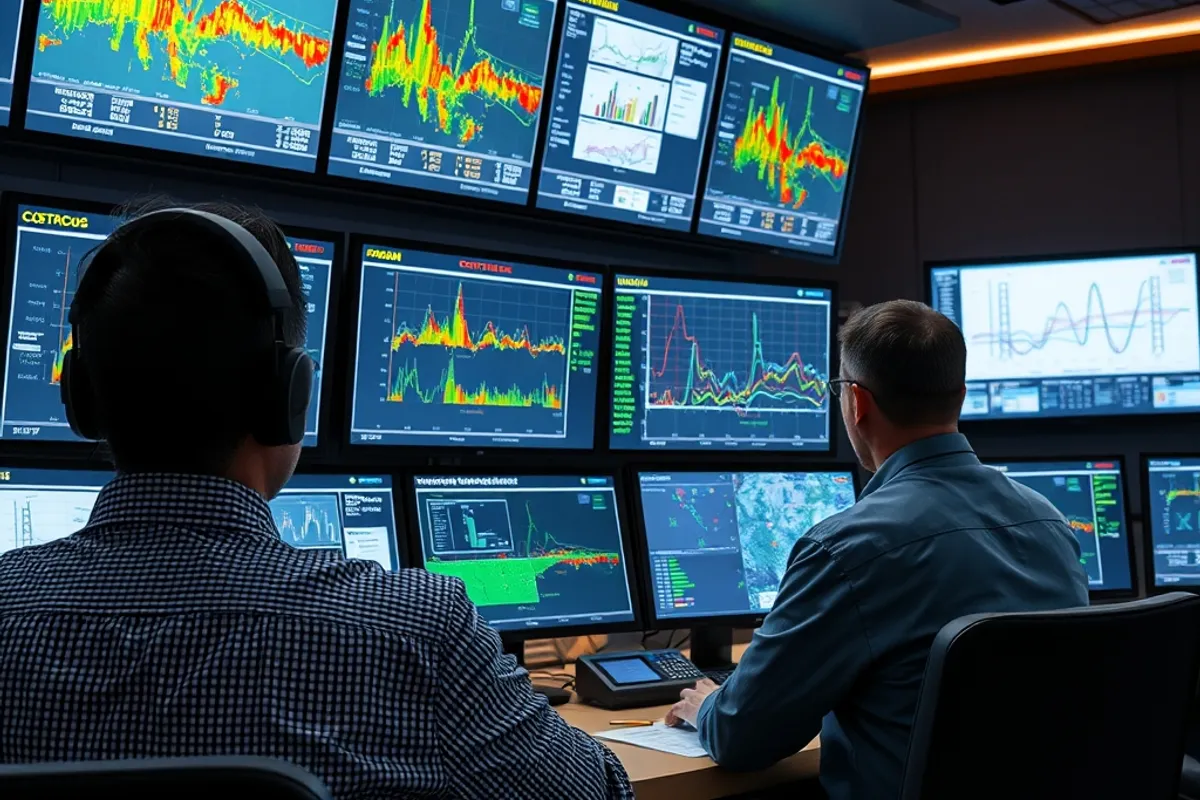
Operators watch frequency, voltage, interconnection flows and the gap between forecast and actual demand. A small persistent error in the forecast is more worrying than a large one that corrects quickly.
They also watch the weather radar and the status of large generators. A plant going offline for maintenance is planned. A plant tripping unexpectedly removes both supply and certainty, which is why reserves exist for exactly this scenario.
Demand response, explained
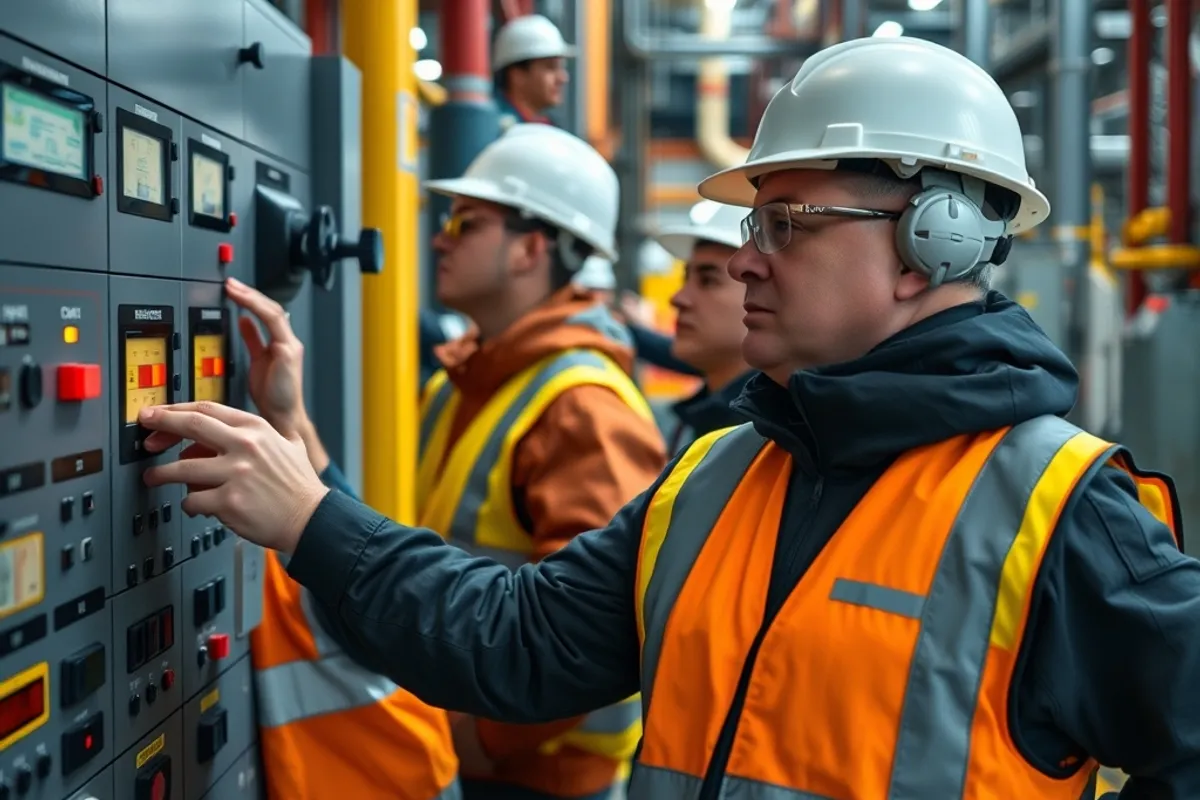
Demand response is an agreement in which large users are paid to cut consumption when the grid is under stress. Factories may pause a production line, cold stores may pre-cool, and commercial buildings may dim lighting or adjust setpoints.
It is not free energy. It is a temporary trade that buys time for other resources to come online. Households can participate too, through smart thermostats and appliance controls, but the biggest reductions usually come from industrial and commercial users.
Why storage buys time
Batteries respond in milliseconds, which makes them useful for smoothing sudden imbalances. Their limitation is duration. Most grid-scale batteries can discharge for a few hours, not a few days.
That makes storage a bridge rather than a cure. It can carry a system through the evening peak or cover the gap while a gas plant starts, but it cannot replace firm capacity over a prolonged heatwave. Understanding that distinction matters when reading claims about a fully renewable grid.
The grid does not fail at the moment demand peaks. It fails when the options to meet that peak run out.
The weak points behind the meter
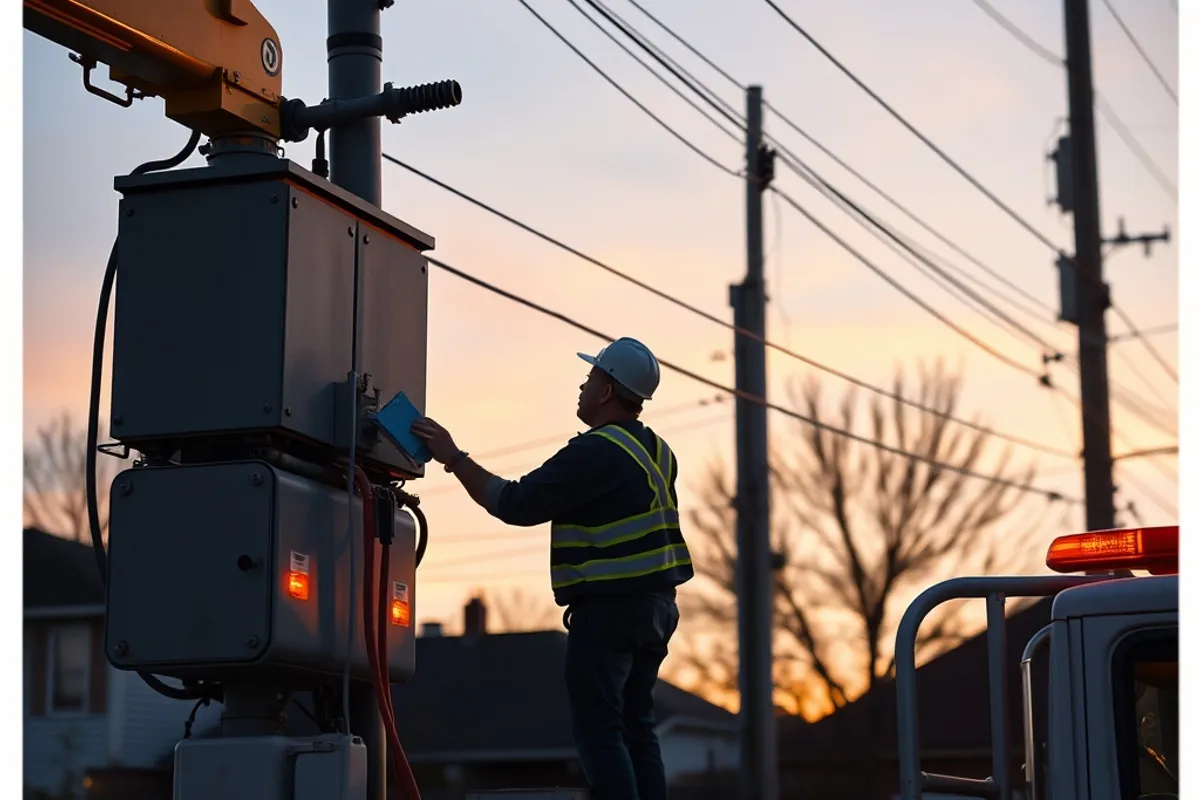
The transmission network is only part of the story. Local distribution equipment, ageing transformers and household wiring can fail even when national supply is adequate.
High demand heats transformers and cables, reducing their lifespan. In older neighbourhoods, a single overloaded unit can leave streets without power while the wider system looks healthy. Utilities use targeted upgrades and voltage management, but the work is slow and expensive.
Communicating with the public
Public appeals to reduce demand can help, but they depend on credibility. If people believe the request is routine or commercially motivated, participation falls. Clear, specific asks work better than vague warnings.
Operators increasingly publish live demand data and explain what triggers emergency measures. That transparency does not remove the risk, but it gives households and businesses a reason to act before a crisis rather than after one.
Lessons for the next peak
Record evenings are becoming more common as heatwaves intensify and electricity replaces fossil fuels in heating and transport. The systems that cope best are those that plan for the tail of the demand curve, not the average.
That means more storage, better forecasting, flexible demand and honest communication about trade-offs. For households, the practical steps are modest but real: shift heavy appliance use away from the peak, maintain cooling equipment, and know how to stay safe during an outage. Our heat planning report explains why those small choices matter more each year.