Flash floods are dangerous because they compress the timeline. A warning that would give days of notice for a river flood may give minutes or hours when intense rain falls on hard, saturated ground.
Emergency teams work within that compression. Their first six hours are a sequence of decisions about who to warn, where to go and what to protect, made with incomplete information and rising water.
Key facts
- Most flash flood deaths happen in vehicles, not in homes.
- Water only a foot deep can move a car and knock an adult off their feet.
- Evacuation decisions balance road safety against the risk of staying put.
- Rescue teams prioritise life safety before property protection.
Contents
- The first warning
- Who decides to evacuate
- The rescue window
- Coordination across agencies
- Shelter and supplies
- The recovery that starts immediately
- How households can prepare
The first warning
The process starts with rainfall and river gauges, radar and local reports. Forecasters issue alerts when intense rain is expected to exceed what drains and streams can carry.
The message matters as much as the warning. People respond better to specific instructions about where to go and which roads to avoid than to a general alert. Agencies increasingly use location-based messages, but coverage and language access remain uneven.

Who decides to evacuate
Evacuation is a local decision, usually taken by emergency managers in consultation with public works and police. They weigh the forecast against the risk of moving people through already flooded roads.
There is no cost-free option. Evacuating too early disrupts lives and erodes trust if the flood does not materialise. Evacuating too late traps people. The best decisions are made against pre-agreed triggers, so the choice is not invented under pressure.
The rescue window
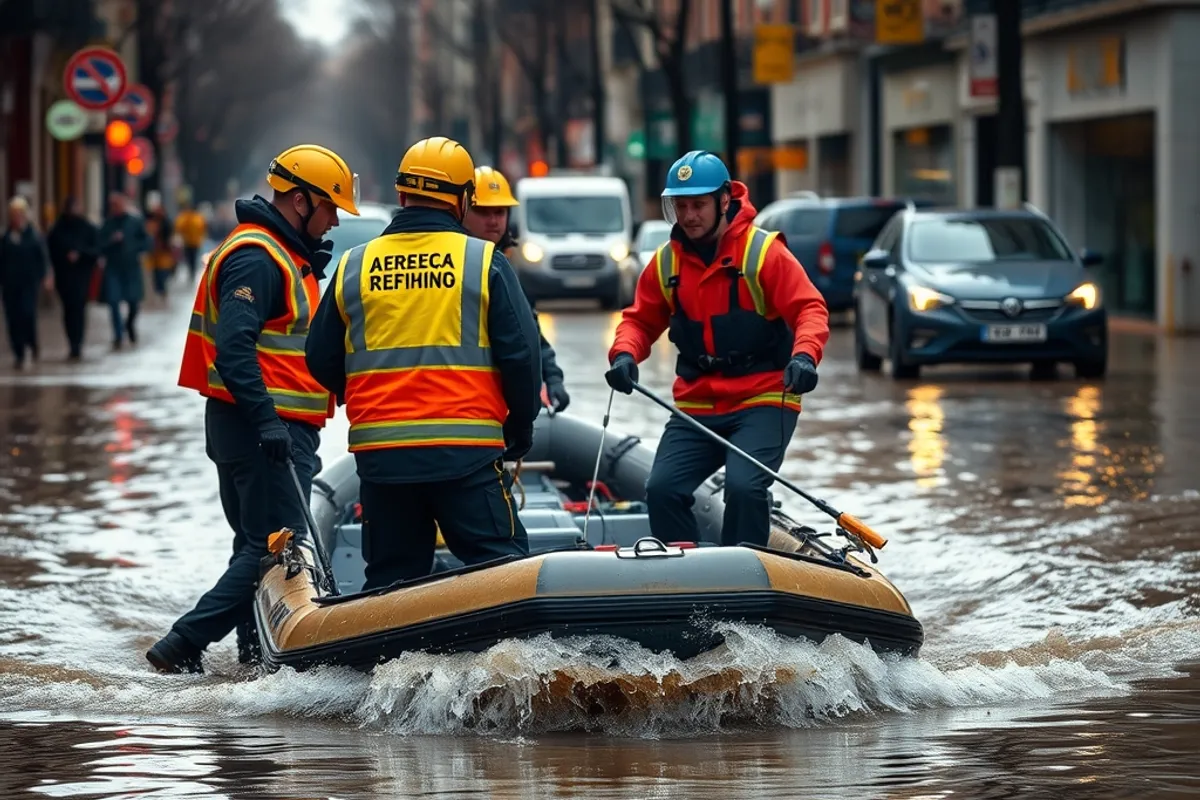
Rescue teams prioritise people in immediate danger: those trapped in vehicles, on roofs or in rapidly rising buildings. They use boats, high-clearance vehicles and helicopters depending on access and conditions.
Crews must also protect themselves. A rescue that capsizes adds to the emergency. That is why teams mark safe routes, test depths and refuse to enter fast-moving water when the risk is too high, even when it is difficult to explain to someone waiting on a roof.
Coordination across agencies
A flood response involves fire, police, ambulance, public works, utilities and volunteer groups. Each has its own radio system, priorities and chain of command. Coordination is the difference between a fast response and a confused one.
Emergency operations centres exist to solve that problem. They track resources, assign sectors and share information. When the centre works well, a request for a boat goes to the nearest available crew rather than disappearing into a queue.
In a flash flood, the map of where to go is drawn while the roads are already disappearing.
Shelter and supplies
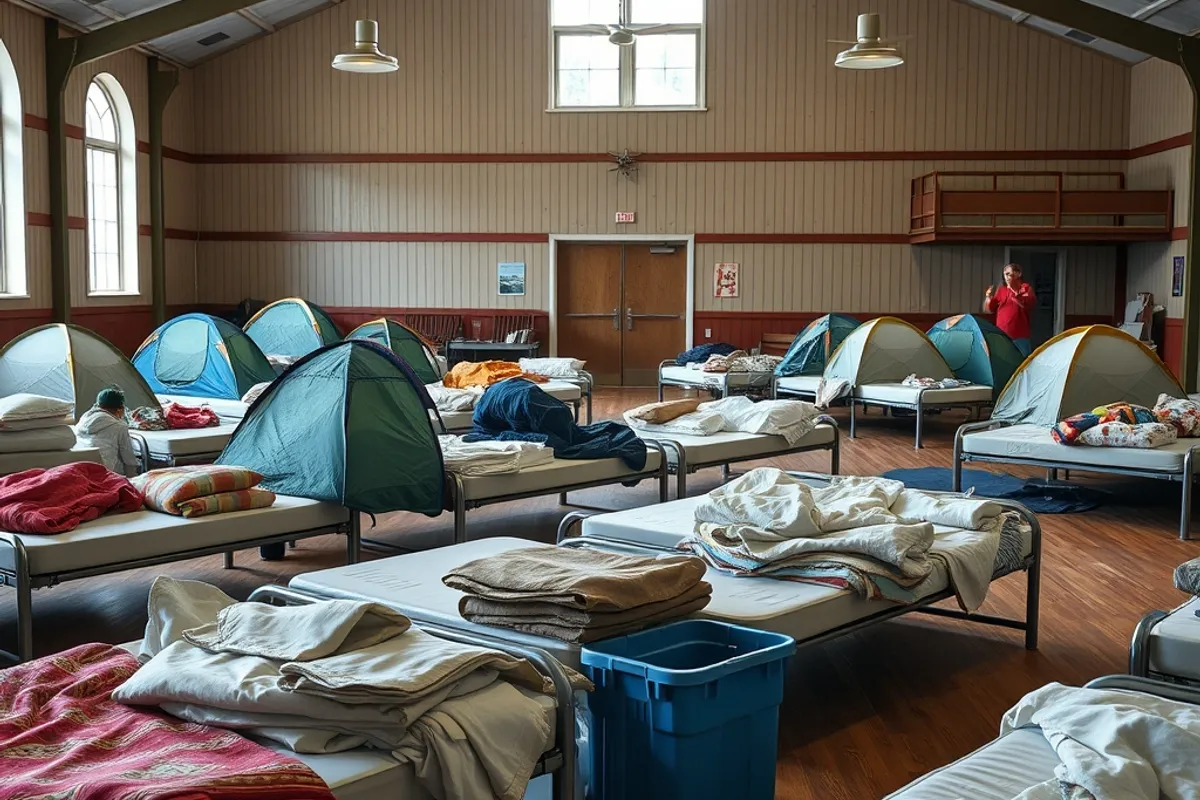
People displaced by flooding need a safe place to sleep, clean water, medication and information about loved ones. Shelters that open quickly reduce pressure on hospitals and rescue teams.
Supplies are often less glamorous than rescue equipment but just as important: charging points, baby formula, pet crates and accessible toilets. Communities that pre-identify shelter sites and stock basic supplies recover faster than those improvising on the day.
The recovery that starts immediately
Recovery begins while the water is still high. Roads are cleared, power is isolated, and buildings are assessed for structural damage. Insurance claims and repairs take months, but the first decisions set the pace.
Debris removal is a bottleneck. Floodwater mixes sewage, fuel and household waste, which makes disposal costly and slow. Communities that separate waste early and track contractors avoid some of the delays that follow.
How households can prepare
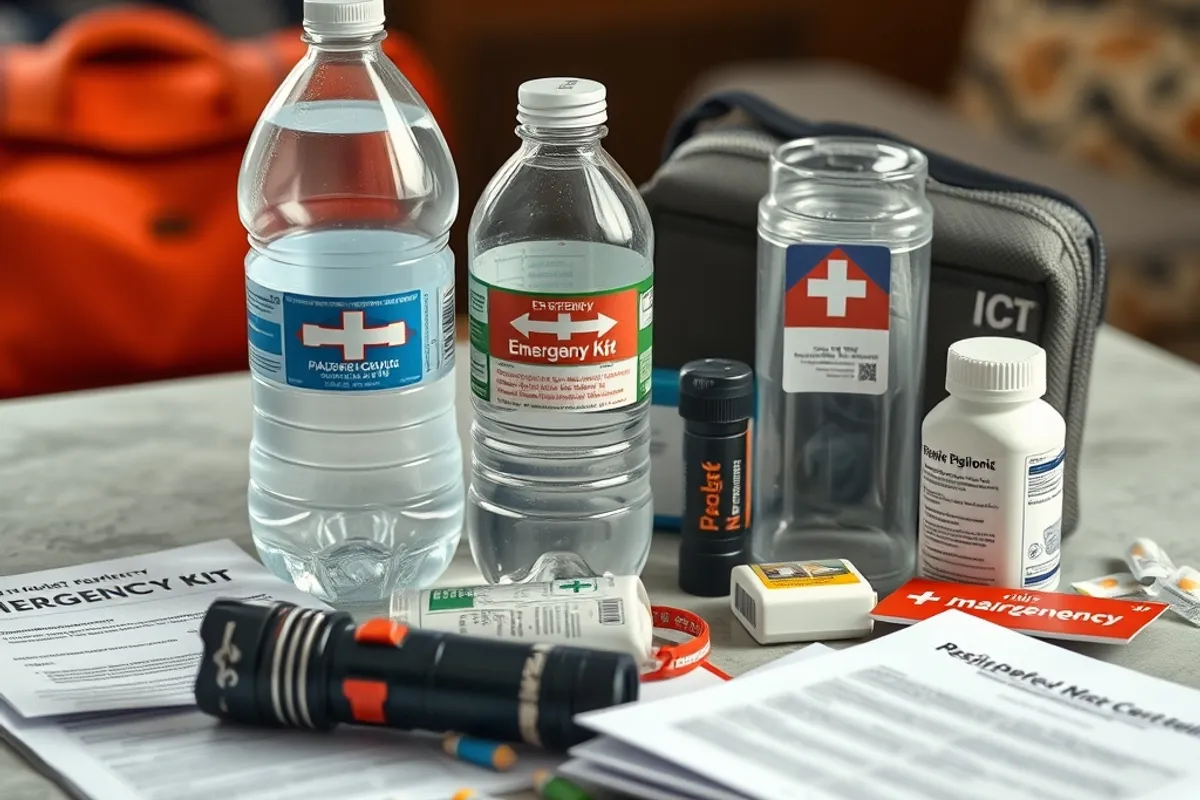
Know your route to higher ground and keep a bag with medication, documents, water and a torch. Never drive through floodwater, and do not wait for a formal order if water is rising quickly around you.
Keep gutters and drains clear, move valuables above expected water levels, and photograph your property for insurance. For seasonal context, read our weather watch guide. Preparation does not remove risk, but it buys the minutes that matter most.